Hooray For OLD Hollywood By Clayton Pickard
Thursday, May 18th, 2017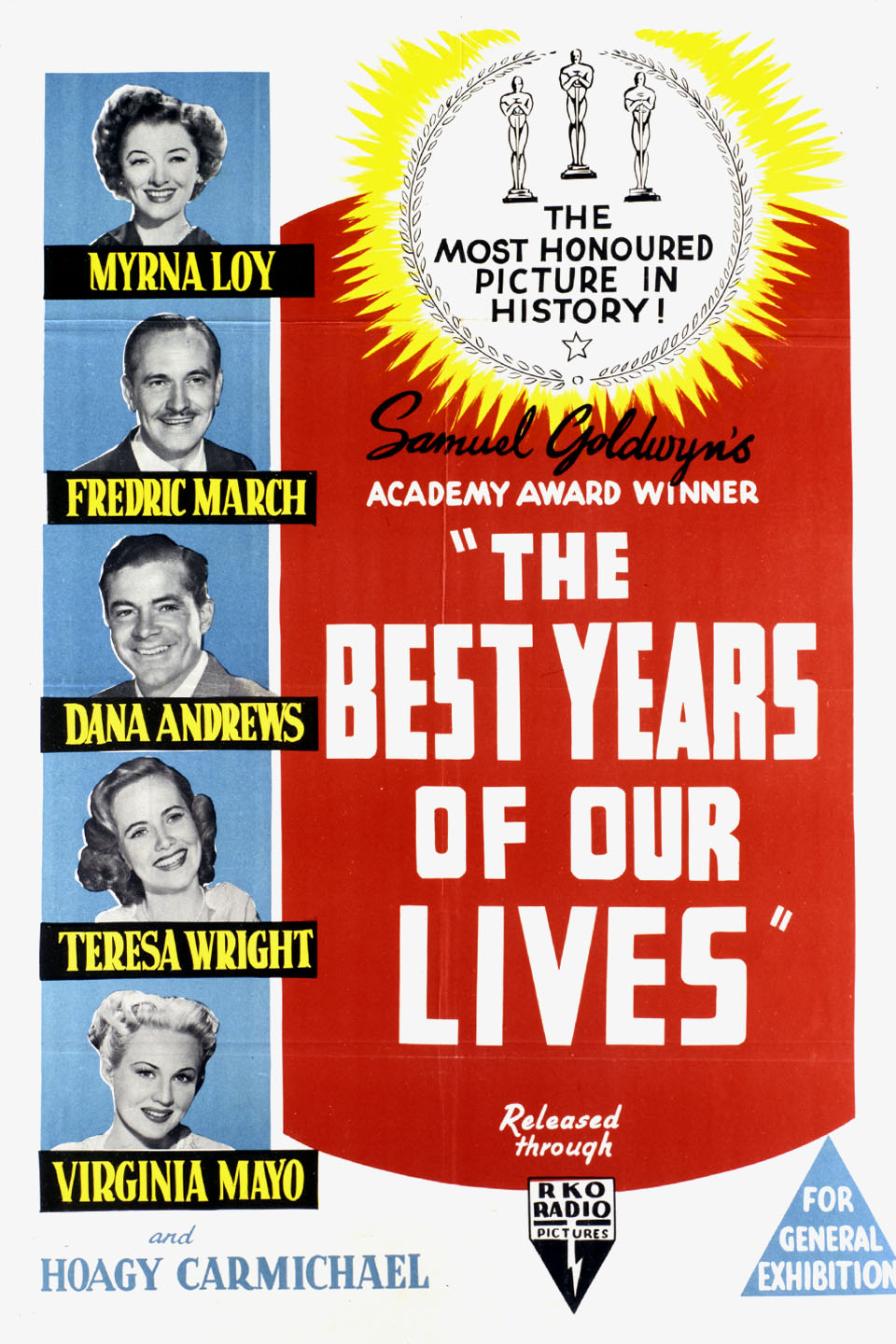 Last month, while visiting a college, I came upon a film on TCM called The Best Years Of Our Lives. It’s a post WWII film about the difficulties soldiers faced in acclimating back into society after being in combat. Directed by William Wyler, it was released in 1946 and stars Myrna Loy, Fredric March and Dana Andrews. While watching the film, I had an epiphany that older movies flow much better than many current films. There isn’t any rush to change scenes, which allows the viewer to better comprehend what they’re watching. The pace also gives the actors and directors more breadth. I was really able to appreciate the humor of Myrna Loy.
This weekend, I watched Casablanca for the third time (one of my mother’s favorite films). Release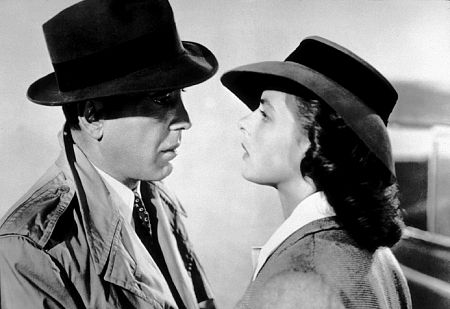 d in 1942, it is directed by Michael Curtiz and stars Humphrey Bogart, Ingrid Bergman and Paul Henreid. Casablanca is a WWII film taking place in French Morocco. What I really love about this film and other old movies is that they have amazing close-ups, which allow the viewer to appreciate the beauty and uniqueness of the stars’ faces. In this film, they show close-ups of Humphrey Bogart and Ingrid Bergman that are heavenly. Casablanca reveals the ambiguous complexity of right and wrong, unlike most movies of today. It
  shows the flat out truth of life, that there are no easy answers.
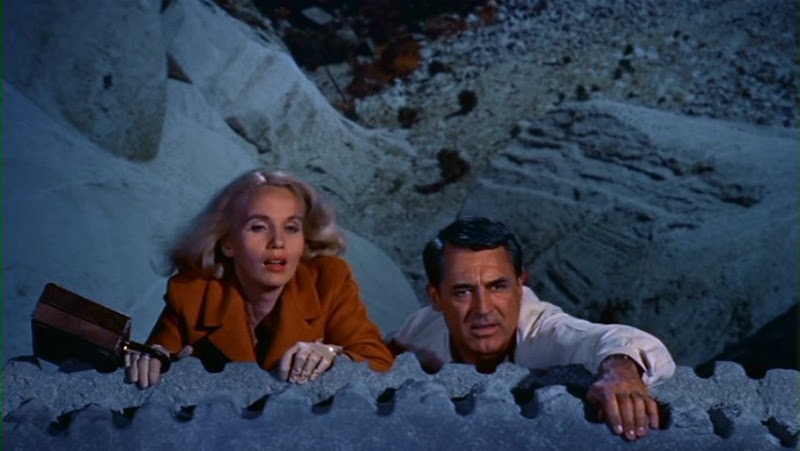
I also screened North By Northwest, which I’ve seen on DVD and at Film Forum. Directed by Alfred Hitchcock, it stars Cary Grant, Angie Dickinson and James Mason. It is a thriller/ adventure film made in 1959 about a clueless advertising executive who is mistaken for an American spy. The most extraordinary aspect of this film is that everything is shot on location, without  any special effects or CGI. The iconic crop duster and Mount Rushmore scenes are done on location. This creates a real sense of verisimilitude, whereby the viewer feels as if it’s happening to them.
While I used to have a prejudice against old movies. Now, I am gaining an appreciation for them and starting to slowly move away from all the typical Hollywood blockbusters.
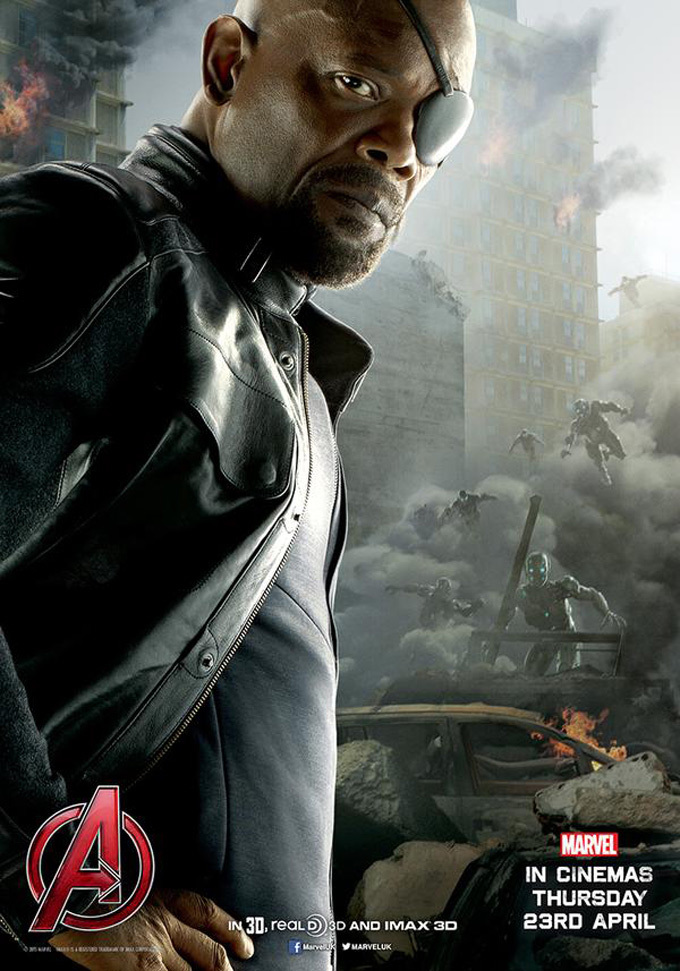 Samuel L. Jackson recently spoke about how British black actors have recently been heavily cast in roles that he feels would have benefited more had they been filled by American black actors. He was referring to actors such as David Oyelowo, Chiwetel Ejiofor, Naomie Harris and Daniel Kaluuya. Jackson stated
  that while these actors are doing fine jobs, the roles of Martin Luther King or Chris Washington could have been more judiciously played by American black actor. Let’s evaluate this.
 Denzel Washington and Samuel L. Jackson are noted thespians. They’ve been trained and have experience on the stage and that translates in their screen performances. The problem is that, they’re beginning to be a part of a minority. The likes of Ejiofor and Oyelowo are trained in England, a very theatrical country. Film is still secondary to theater there and so, actors in Britain get classical theatrical training. For the most part, thespians still garner more respect than film actors (excluding Jack Nicholson). Having theater experience is essential to be respected as an actor and Americans increasingly ignoring that. They start in film and never venture into theater until after they’re
  established such as Jake Gyllenhaal or Leonardo DiCaprio.
 should keep hiring black actors from overseas and not support more American black actors. All I can say is: it’s a business. A very cutthroat business, that’s all about survival of the fittest. If a group of actors comes into Hollywood better trained, does that mean another group of actors should complain about their roles being taken away? No. It means they should
  sharpen their skills and advance their training.
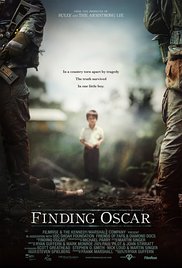 Finding Oscar tells the heartfelt story of the small village of Dos Erres and it makes you feel inspired and outraged at the same time. There were many horrific events humanity witnessed in the last century – many wars, and lots of innocent people suffered. One event in Dos Erres, Guatemala was a terrible genocide that killed the entire village.
 Sates, which supported the Guatemalan government during the civil war, despite having intelligence about the Dos Erres Massacre and many others similar to it.
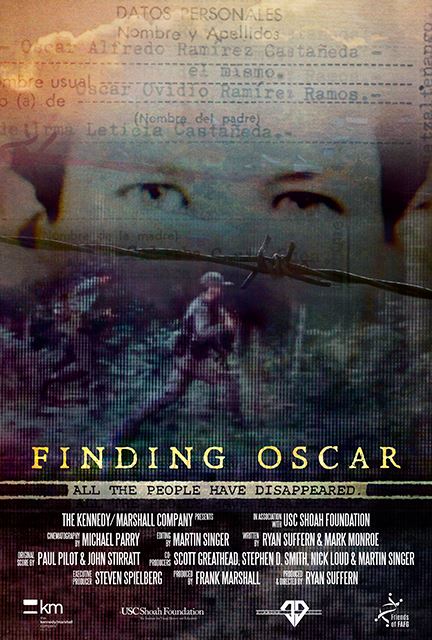 inding justice. It begins with explaining the civil war and its causes. It goes on to explain the massacre and its immediate results. Another part that really adds to the effect of the story is the camerawork.


