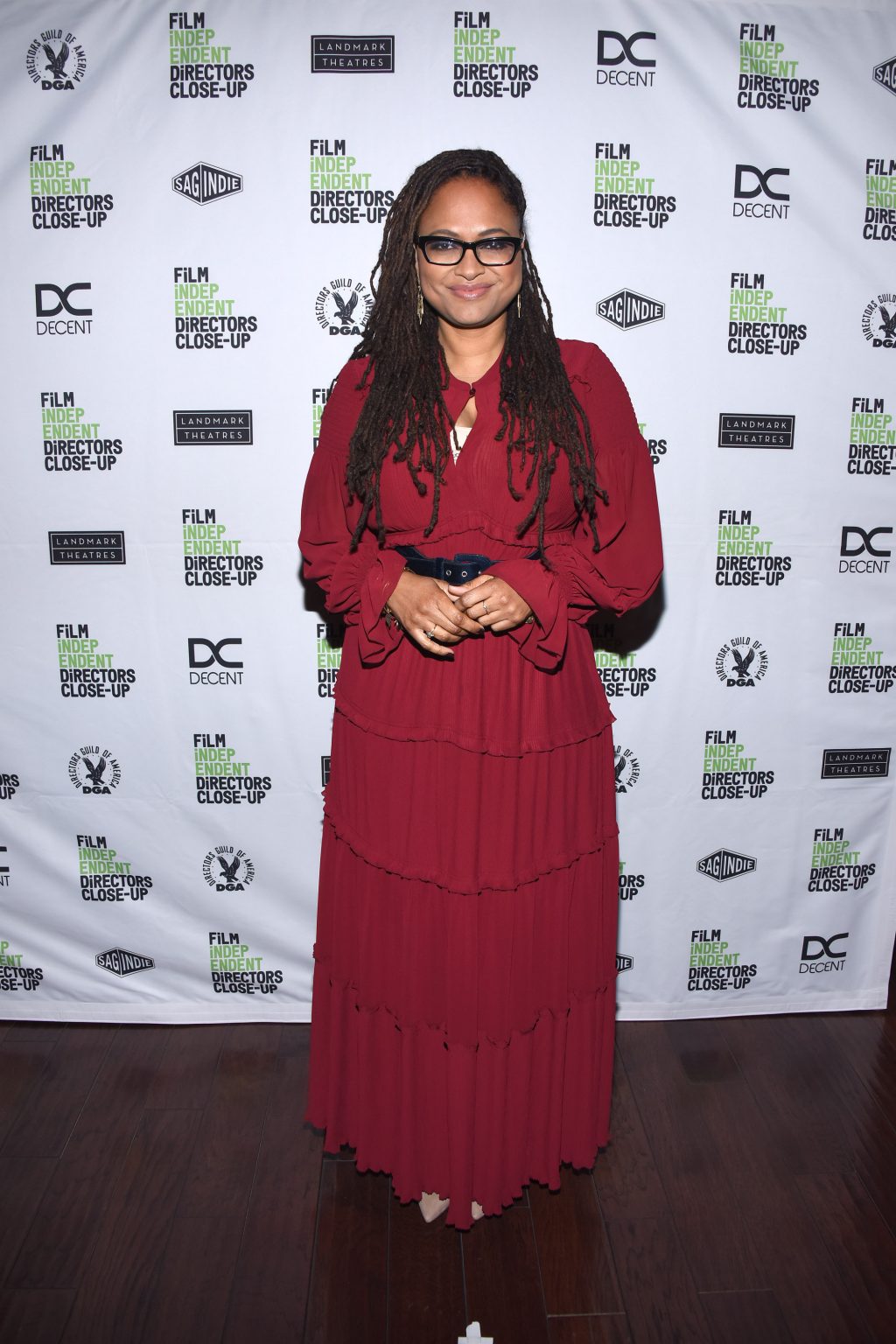
Director’s Close Up: Real Life vs. Reel Life
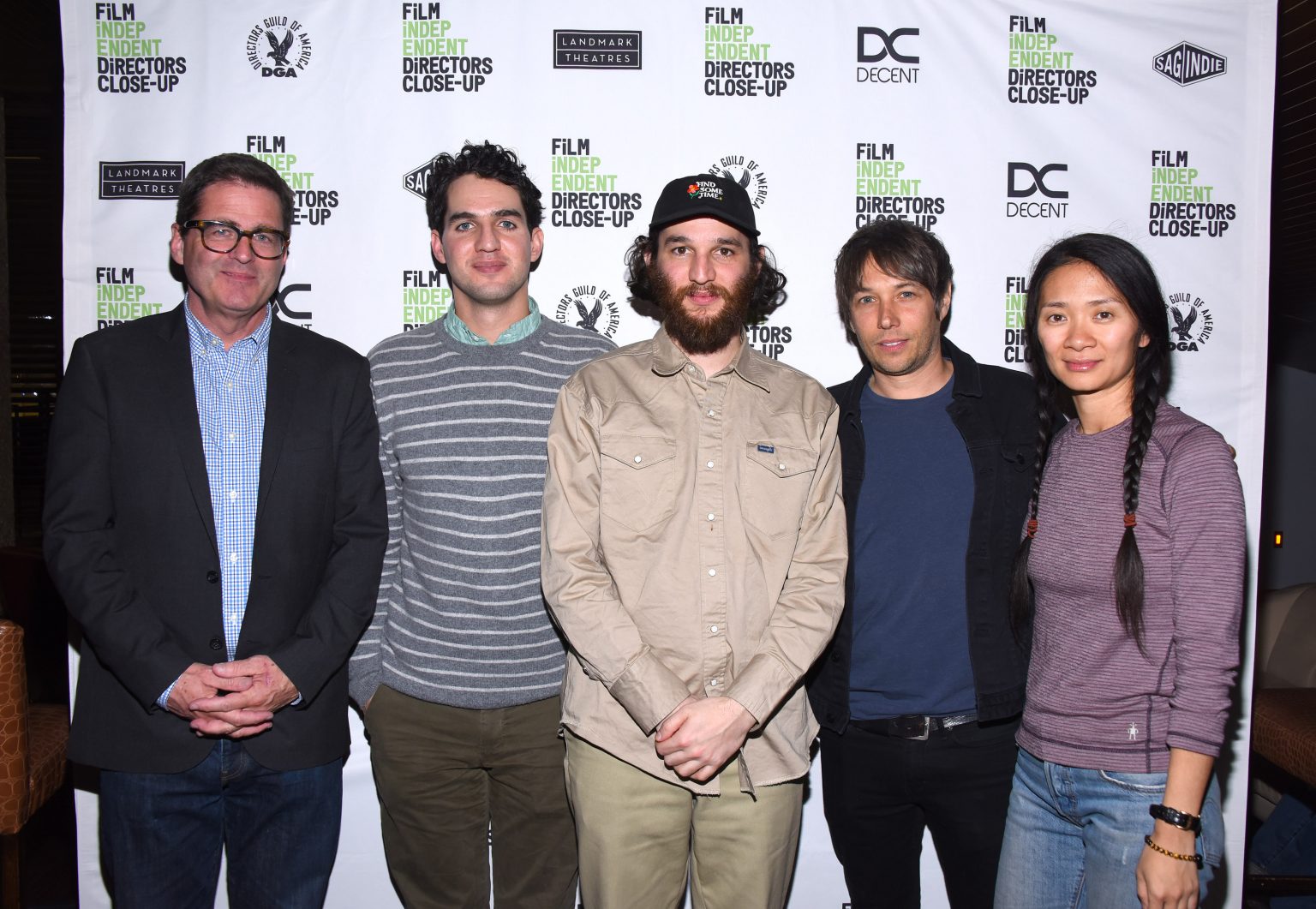
Tuesday, March 27th, 2018While t here are plenty of challenges to bringing a fictional universe to the big screen like in, Wrinkle in Time, or getting the complex daughter/mother relationship just right in Lady Bird, neither face the unique challenge of presenting a real-world story to an audience in an entertaining matter.
The fifth and final week of 2018 Director’s Close Up featured directors of many IRL-based-productions. These directors not only question the real-life results but also allow the viewers to question it themselves. A brand-new film, I, Tonya talks about a scenario just like this. The director of the film, Craig Gillespie, talked about what they want the audience of the film to feel, which is a realistic issue for realistic films. Often the real-life story has a clear and cut result driven by journalistic feeds, but as many know, humans are much more three-dimensional than that. This allows these realistic films to give the viewer a whole new perspective on judging infamous people in society.
This principal is great in theory, but rarely in practice. A film may indeed show the third dimension, but also show a skewed truth. Jonathan Dayton, director of films like Battle of the Sexes and Little Miss talked about just this. Twisting the truth can be necessary to make a good film, but can also hurt the concept terribly by making the film more like fiction than reality. It causes false impressions of real-life people, or even worst, changes their place in history due to a false description. In this way, the people who create these films also take the risk of altering history and ruining people’s lives. Yet, if done right, it can reveal new truths and remind people of forgotten values.
Angela Robinson, director of Professor Marston and the Wonder Women, had a unique story to tell. Instead of making a film based on modern or somewhat modern events, she went nearly a century back to the creation of the famous superhero, Wonder Woman. While the story details may be commonly known, the intricate reasons for her creation are revealed and can be rather shocking. This is a perfect example of how a film can add to history, instead of destroying it. Before this film was made, little was known about the creators of Wonder Woman and was most likely kept secret. Now, it has been made public and adds a new side to the classic superhero. One could argue that these filmmakers are also historians, piecing together the past for our enjoyment.
In 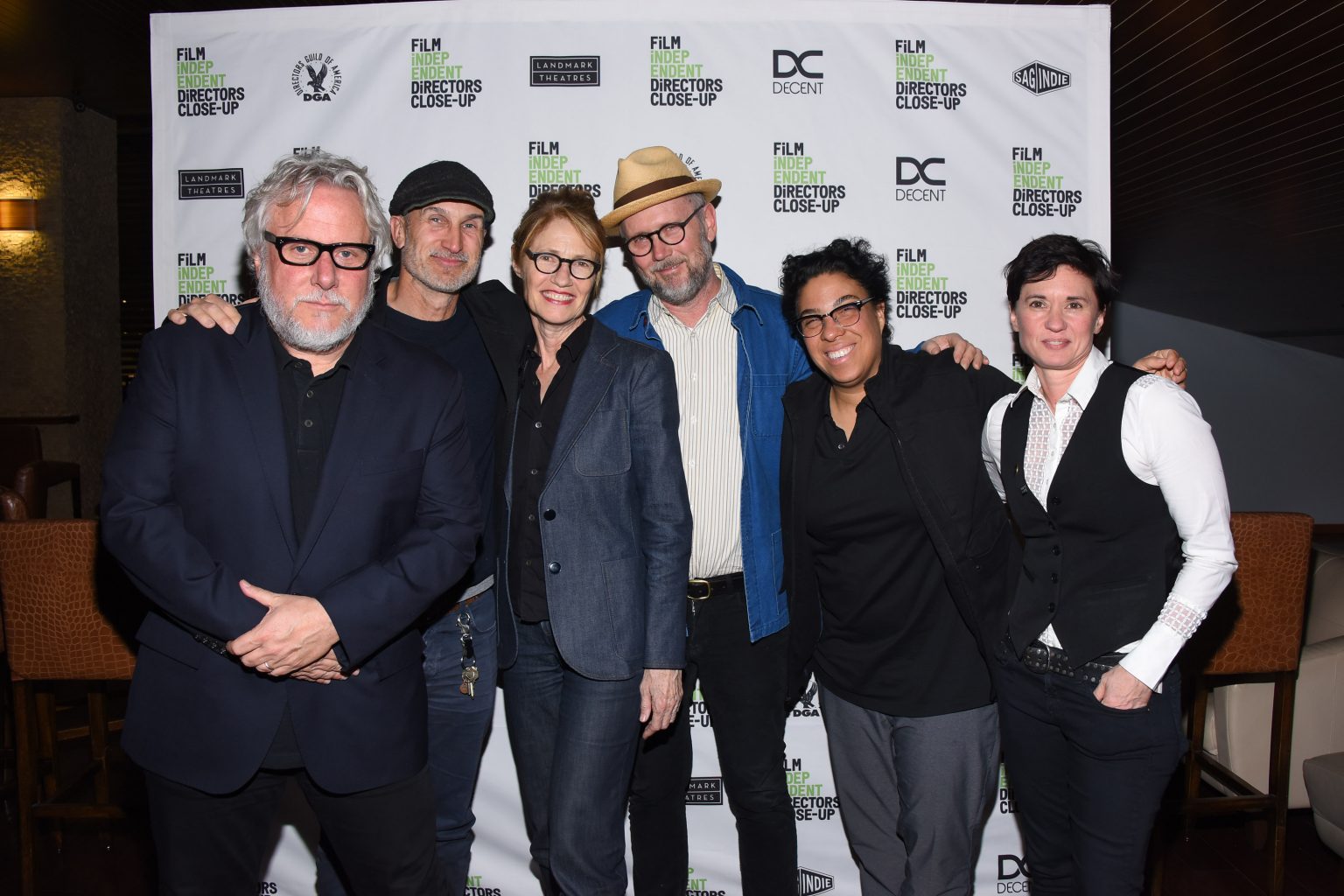 many ways, this was the perfect ending to the Director’s Close Up for 2018. It perfectly defines the concept of the event which is to show a whole new side of filmmaking that is not revealed from simply watching the film. There are often months, sometimes years of work and research dedicated to making these two hours of (hopefully) entertainment. Behind the camera of a motion picture is a small world that events such as these allow us to enter. Even if it is just for a moment, it opens up a whole new way of watching movies.
 This special set of 32 memorable episodes and over 15 hours of content celebrates the 50th anniversary of the beloved Mister Rogers’ Neighborhood, the pioneering children’s television series from The Fred Rogers Company. Mister Rogers helps children learn the importance of being kind to others, appreciating what makes everyone unique, recycling and taking care of our planet, and much more in the classic series. The new release also includes a very special bonus episode – the series premiere, in original black-and-white! Through his popular daily TV visits, generations of young children have grown up with the kind and gentle Mister Rogers, who created a calm and safe place that welcomed all to his neighborhood. With real-life guests, adventurous field trips and charming make-believe segments, the iconic Mister Rogers’ Neighborhood encouraged kids ages 2 to 5 to learn about themselves and the world around them, speaking directly to the series’ young audience with his unique one-to-one affirmation of their self-worth. Celebrity guest stars have included: Tony Bennett, Julia Child, Margaret Hamilton, Michael Keaton, Yo-Yo Ma, Wynton Marsalis, Rita Moreno, and Bill Nye. KIDS FIRST! Adult Reviewer, Terry S. comments, “I will always have a special place in my heart for Fred Rogers, for his kindness and understanding of teaching and learning for the preschooler.” See her full review below.
 This is a wonderful collection of shows by the iconic Mister Rogers. I have fond memories of representing this program when I worked at WNET in New York launching the Ready to Learn program. I represented all the programs on PBS at that time, in workshops teaching preschool instructors how to use TV as an educational, interactive tool to supplement and enhance their curriculum. I will always have a special place in my heart for Fred Rogers, for his kindness and understanding of teaching and learning for the preschooler.
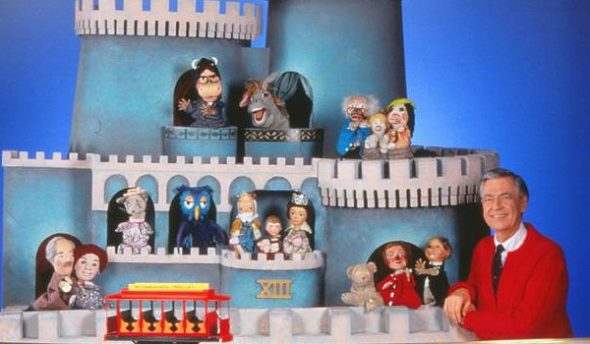 The topics of the episodes varies, from helping children know what to expect on their first day at school to talking about different kinds of families from birds to people, learning about sharing, giving and receiving, and encouraging generosity and gratitude. Children learn about the world and how to live in it.
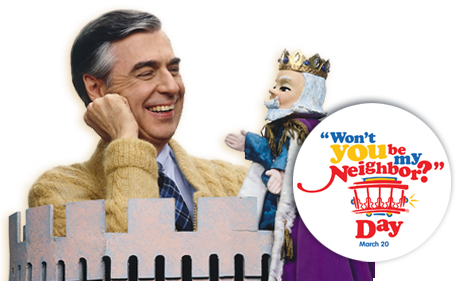 One of my favorite segments is on disc four, Encouraging Generosity and Gratitude. Here we see how fortune cookies are made: from mixing flour and eggs, that become cookie batter ready to go into baking pans on a conveyer belt, to how the fortune message is put into the baked cookie shape and packaged. Mr. McFeeley delivers fortune cookies to Mister Rogers, who shares some with him. Both men are happy to give and receive. In the trolley car segment and land of make believe, even though King Friday thinks fortune cookies are silly, others on the show love them. The magical part is when a special fortune cookie man pops out and speaks in Spanish and delivers fortune cookies through his fortune cookie hat to others. Daniel Tiger says, “Anything can happen in the land of make believe.”
 makes his colorful art papers, which he turns into collages for his picture books. He reads “Head to Toe,” pointing out how different animals move their body parts and they both move their body parts along with the story. Eric Carle gives him a book as a gift, reinforcing the lesson of generosity and gratitude.
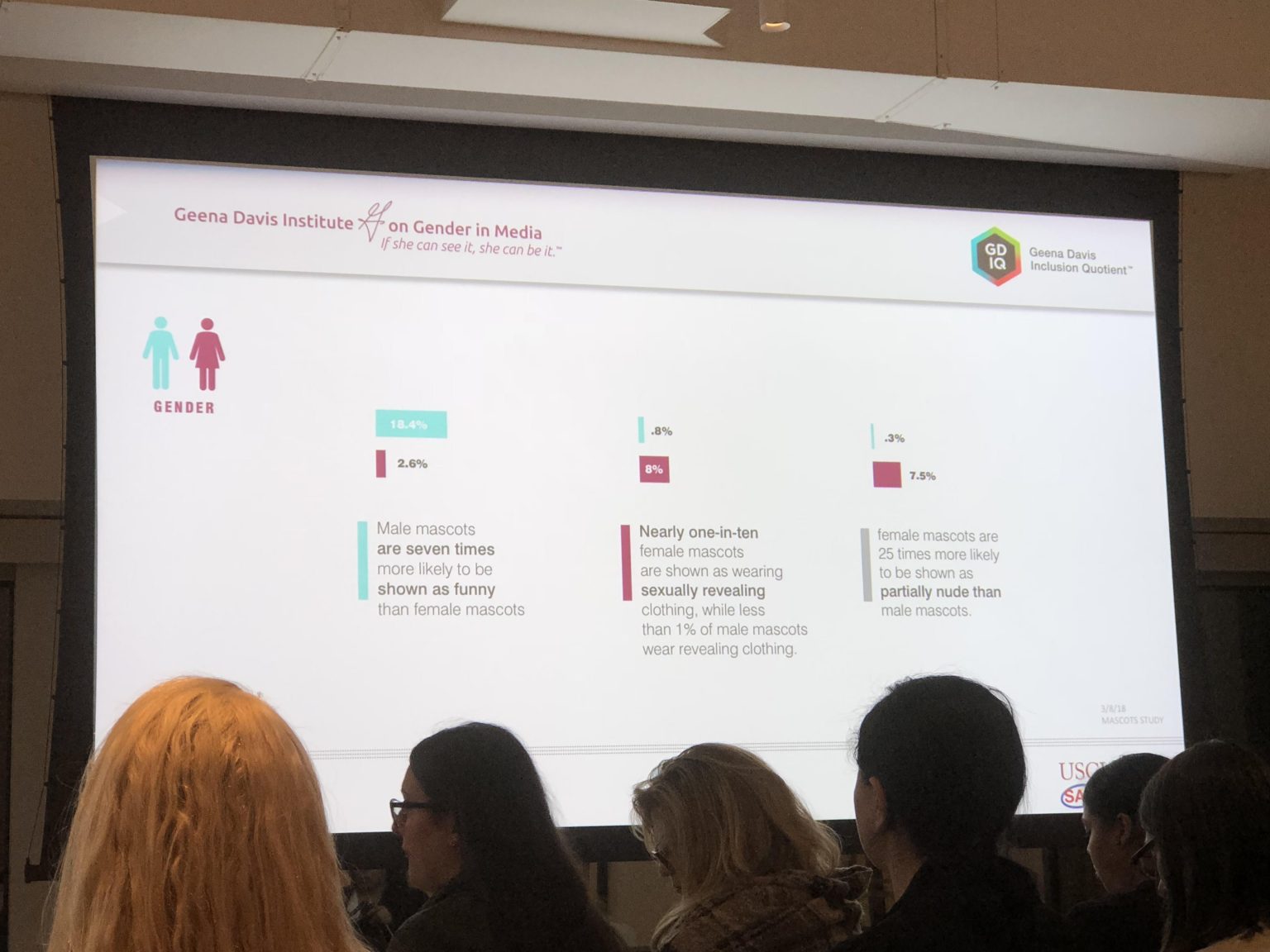
 Mascots Matter: Gender and Race Representation in Branding
 Mascots Matter: Gender and Race Representation in Branding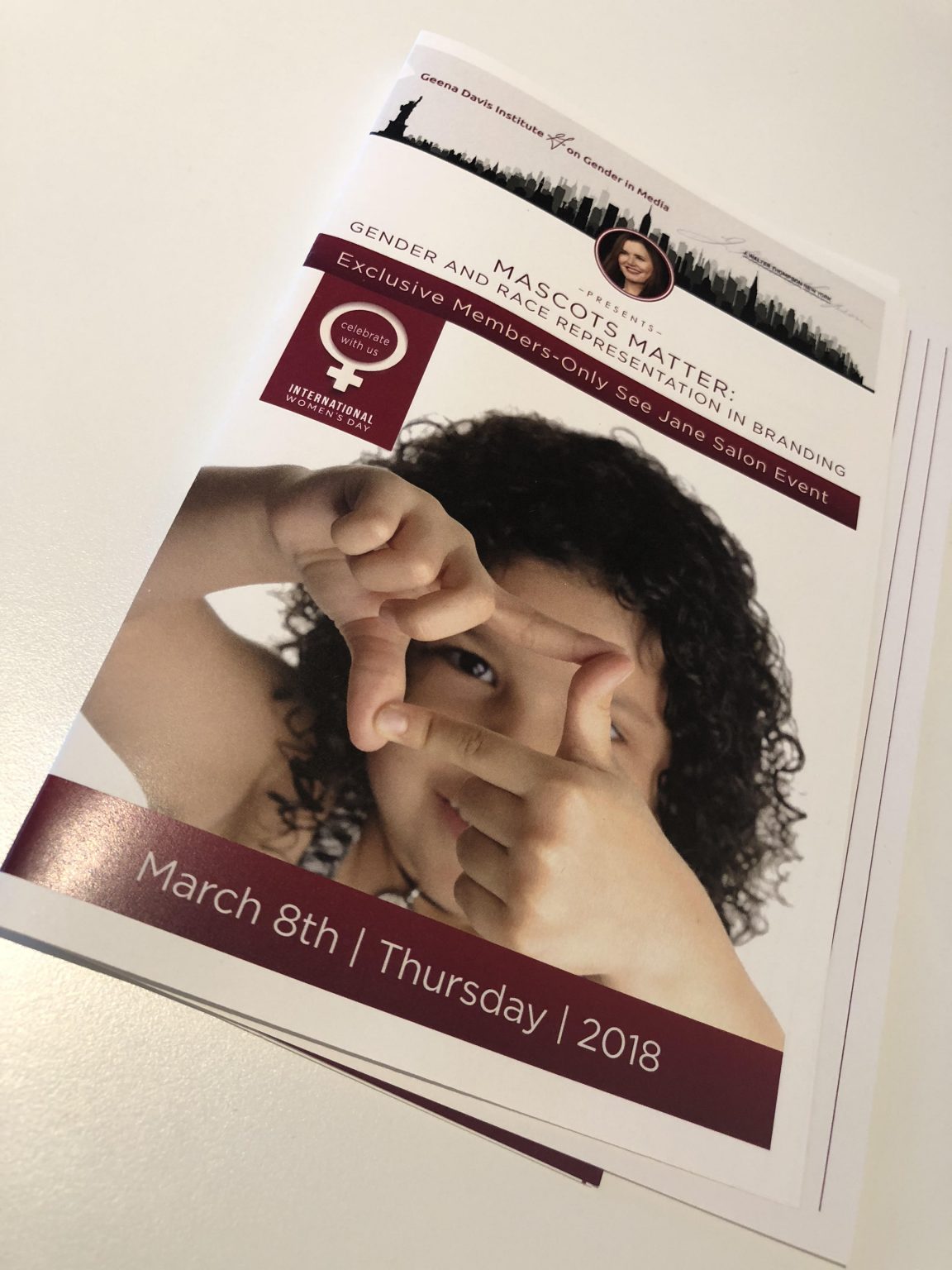
 Torsten Gross, Executive Planning Director, J. Walter Thompson New York, was the only male panelist and had an amazing and powerful story to offer. He appeared to be very strong and comfortable, despite the fact that he has a disability. Not many people in this world accept people who struggle with disabilities, but Torsten did not let that affect his accomplishing what he wished to achieve in life. Sure, people treated him differently, but Torsten did not let that define who he is as a person. That too is a powerful message that was brought forward by this panel.
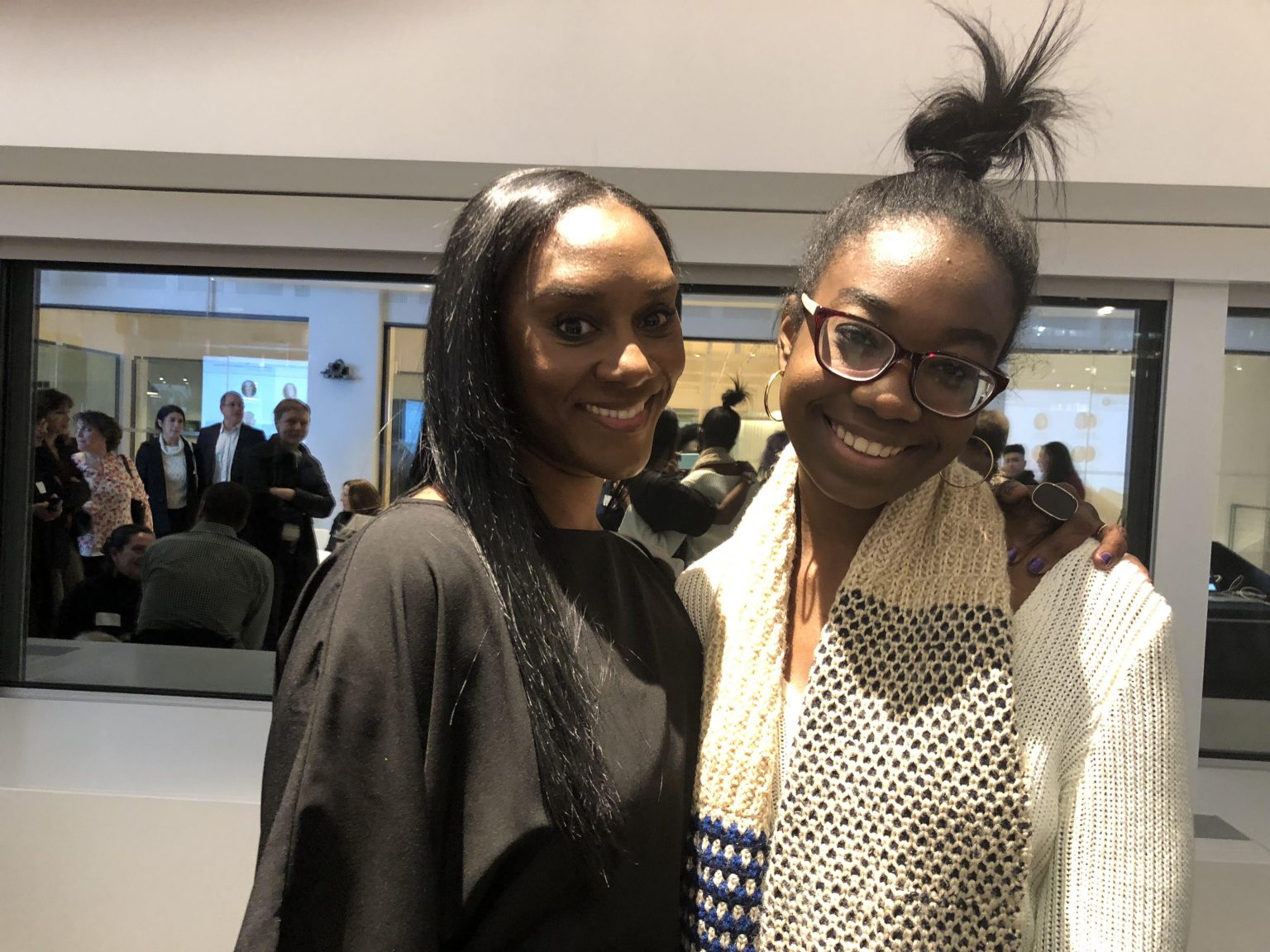 omen need to have a platform that gives them a place to show their projects and uniqueness that men cannot always offer. Their voices need to be brought forward and heard because, even though we are not men, we are equally important and have the same or more to offer. Our creativity needs to be expressed throughout the world and acknowledged! Without women, there would be no world!
 !
!